Reading your sell-through data after the summer
September is when the year's most honest numbers arrive. Most brands look at the total and miss everything useful in it.
Read the article
Why Detroit is a beverage town
Faygo, Vernors, Towne Club, and a bottling industry that outlasted most of what surrounded it. The reasons are structural, not sentimental.
Water is an ingredient, not a solvent
It is 85 to 99 percent of what is in the bottle, and it is the variable most new brands never think about until something tastes wrong.
Planning for the summer ramp
Beverage demand roughly doubles in the warm months and everything that can go wrong does so simultaneously. What to have in place before it starts.
The channels nobody pitches — schools, vending, and institutional
Everyone wants a grocery listing. Meanwhile there is substantial, stable volume in channels most new brands never seriously consider.
Getting a new SKU onto a grocery shelf
Making the beverage is the part you control. This is the part you do not, and where most new brands stall.
From kitchen to line — why your recipe does not scale
Something that tastes excellent in a two-litre batch frequently falls apart at production volume. The reasons are specific and mostly predictable.
Glass, PET, or aluminum: an honest cost comparison
Not the marketing version. What each format actually costs across the whole chain, and which product each one genuinely suits.
Planning a beverage launch calendar that survives contact with reality
Founders plan launches backwards from a date they picked. Here is the sequence that actually works, with the lead times that cause most of the slippage.
Why nostalgia sells hardest in the fourth quarter
Every December our oldest flavors outrun our newest ones. It is not sentimentality — it is a predictable, plannable shift in what people are buying a soda for.
Michigan's ten-cent deposit, and what it means for your beverage
The highest container deposit in the country shapes how beverages are packaged, priced, and handled here. If you are launching in Michigan, it is not a footnote.
Label compliance basics for a new beverage
The label is where more first-run beverages get delayed than anywhere else. Most of it is knowable in advance.
Shelf life, and why your beverage failed at month four
The product was fine at bottling and fine at month one. Something happened between then and the customer. Here is usually what.
What sparkling water did to the soda shelf
The fastest category shift in modern soft drinks, what it actually took from soda, and why a 1919 orange soda brand is now a sparkling water.
What is actually in root beer
It is the most American soft drink and almost nobody can name a single ingredient in it. Here is the real flavor architecture, and why sassafras is not in yours.
The economics of a short production run
Why minimums exist, what actually drives them, and how to get a small first run without paying for a large one.
DSD vs. warehouse distribution: which one your beverage actually needs
Two completely different ways to get a drink onto a shelf, with different economics, different failure modes, and different kinds of brand they suit.
Carbonation, explained properly
Volumes of CO2 is the number that decides whether your drink feels sharp, soft, or flat. Most new brands never specify it, and then wonder why the pilot run tasted wrong.
What a co-packer needs from you before we can quote
Most inquiries we receive cannot be quoted, because four pieces of information are missing. Here they are, so you can skip a month of email.
Cane sugar vs. corn syrup: what actually changes in the glass
The difference is real, but it is not the one most people describe. Here is what changes on the line, on the shelf, and on the tongue.
Why we still bottle soda in glass
Glass costs more to buy, more to ship, and more to break. We keep running it anyway, and the reasons are not entirely sentimental.
21 articles · RSS feed
We also make the stuff we write about.
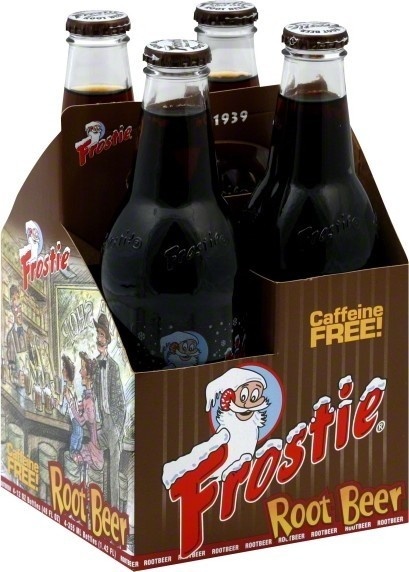
Towne Club, Kist, and Frostie are ours. The lines behind them are available to you.