Frostie
Born in a jailhouse. Aged into a classic.
In 1939 George Rackensperger needed a bottling plant and rented an abandoned jailhouse outside Baltimore. The garage that had housed police wagons took the bottling line; the cells held sugar and bottle crowns. Frostie Root Beer went national from there.
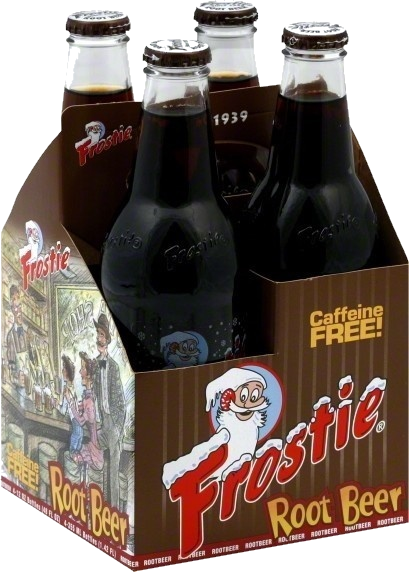
How Frostie got here.
- Category Root beer, cream soda, lemonade
- Heritage Est. 1939
- Sweetener Pure cane sugar
- Ownership IDI house brand since 2009
-
1939
The jailhouse plant
George Rackensperger opens his bottling operation in a rented former jailhouse in Catonsville, Maryland. Bottling equipment goes in the police-wagon garage; the cells store sugar and crowns.
-
1940s–50s
Frostie the Elf goes national
Root beer dwarfs every other product in the plant. Frostie grows into a national franchised beverage company, its bearded, icicle-hatted elf appearing on caps, labels, and signs in most of the country.
-
2009
Acquired by IDI
Leading Edge Brands sells the Frostie line to Intrastate Distributors of Detroit, where the root beer is still made with cane sugar and the flavor range has expanded into cream sodas and lemonades.
Frostie flavors.
Availability varies by retailer and season.
- Root Beer
- Vanilla Root Beer
- Diet Root Beer
- Blue Cream Soda
- Cherry Limeade
- Concord Grape
- Orange
- Pink Lemonade
- Strawberry Watermelon
- Green Apple
Frostie in the wild.
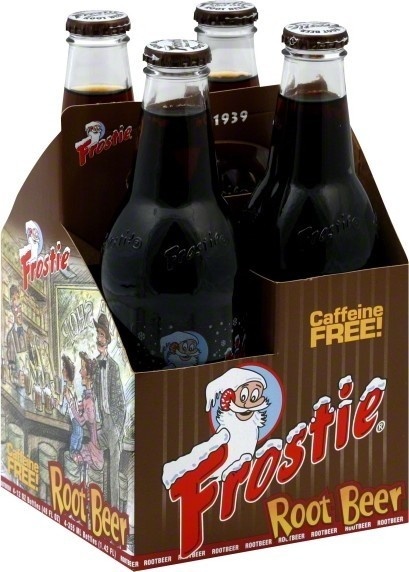
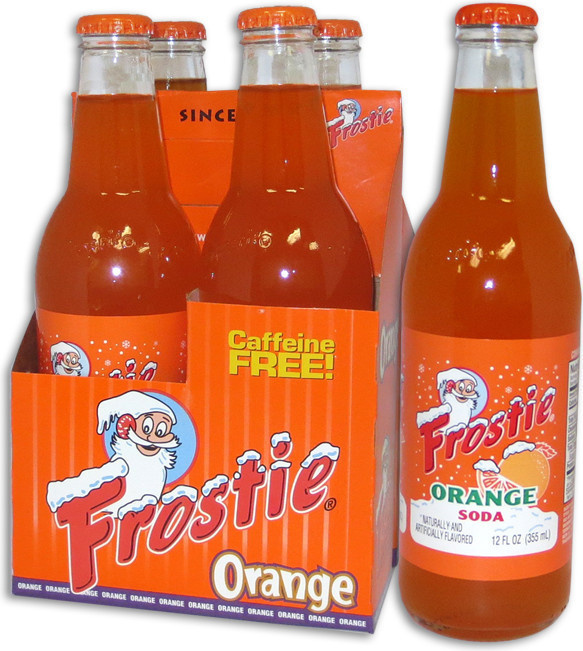
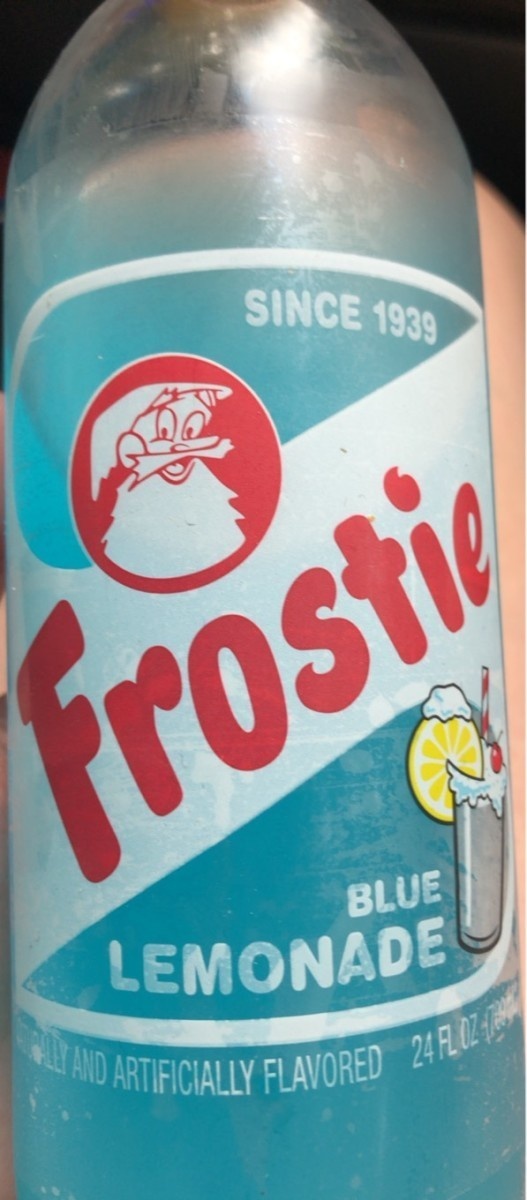
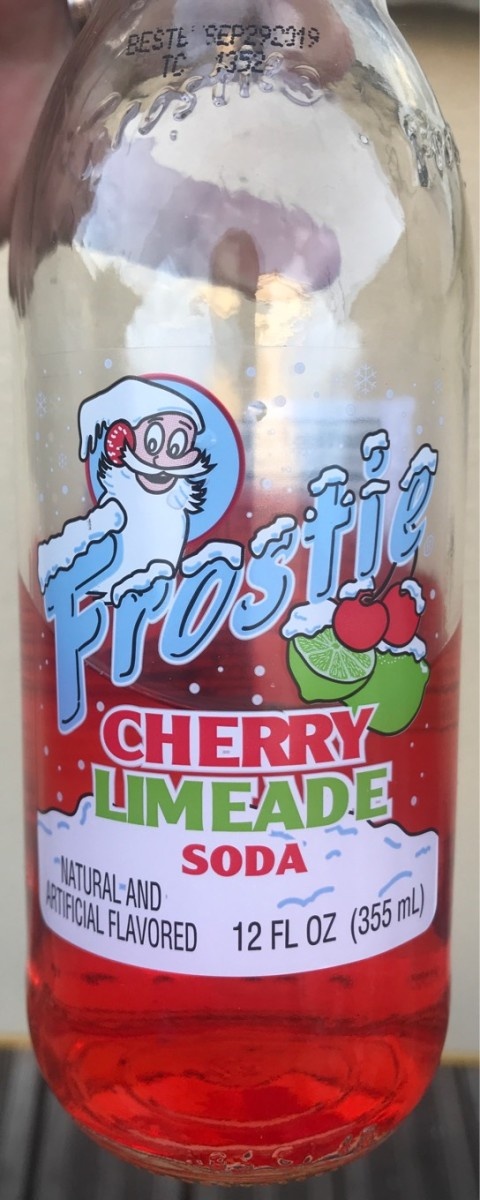
Product photography via Open Food Facts (CC BY-SA 3.0).
The rest of the family.
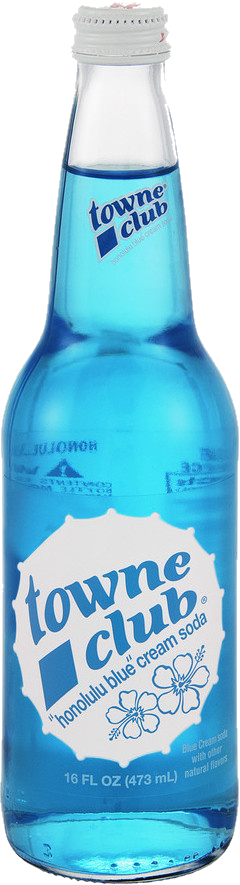
Towne Club
We Have Your Flavor
The Detroit pop that families bought by the wooden case. Still made with pure cane sugar, still bottled in glass.
The Towne Club story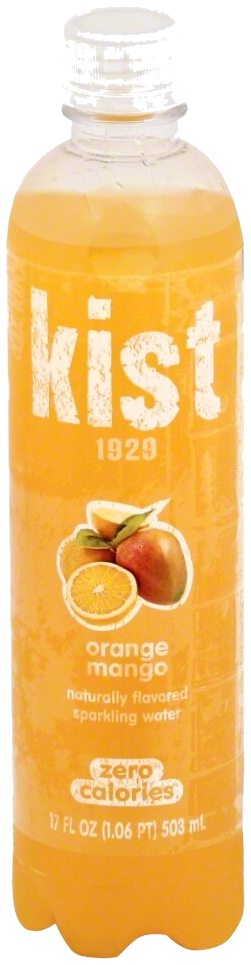
Kist
Sparkling since 1929
One of America’s first fruit sodas, reborn in Detroit as a clean, zero-sugar sparkling water.
The Kist storyWant Frostie in your store?
We run our own trucks on our own routes across Southeast Michigan. Getting stocked is a phone call.